Sheet metal worker, plumber, tinsmith - which one is actually correct?
*The image was AI-generated for illustrative purposes.
Spengler, Klempner, Flaschner - Which is correct?
There are several terms for the same trade in Germany, which often causes confusion. Roofify explains the different terms, explores regional differences, and looks at why the job title varies from one federal state to another. We also show how important this versatile trade is to the construction and roofing industries in 2026.
Why are there different terms?
The trade of working metal on roofs has a long tradition. Over the centuries, different dialects and craft traditions developed in Germany, Austria, and Switzerland. This gave rise to three main terms:
- Spengler: Derived from the Middle High German “spenge” (metal plate). Common primarily in southern Germany, Austria, and Switzerland.
- Klempner: From the word “klampen” (to clamp firmly). Common primarily in northern and eastern Germany.
- Flaschner: Derived from “Flasche” or “Blechgefäß” (bottle or sheet-metal vessel). Household vessels were also made in the past. Common especially in southwestern Germany, particularly Baden-Württemberg.
Historical reasons for regional differences
The different names date back to medieval craft guilds. Despite the different terms, the essence of the trade has remained the same to this day.

What does a sheet metal worker do?
A versatile roofing trade
The sheet metal worker's trade covers all tasks involving the processing of sheet metal and other metals on roofs and façades. These include:
- Installation of gutters, downspouts, and dormer cladding
- Fabrication of coverings and connections
- Cladding for chimneys, parapets, and gable edges
- Custom-made items in zinc, copper, aluminum, or stainless steel
Without this work, no roof would be watertight and no façade would be permanently protected. The work requires precision, craftsmanship, and a deep understanding of how materials behave - especially in relation to wind, weather, and temperature.
The Importance of the Modern Sheet Metal Worker
In 2026, buildings are more complex than ever, and sustainability is a key concern. As a result, the sheet metal worker’s trade has become much more important. Modern roofs require high-quality metal connections, precise workmanship, and durable materials. An experienced sheet metal worker ensures that roofs and facades are functional, safe, and aesthetically pleasing.
Spengler, Klempner, Flaschner – Are There Any Differences?
In short: The work is essentially the same, but regional differences remain.
- Klempner: In northern Germany, this term is often confused with installers who work on water pipes. That is why people there often say “Bauspengler” or “Bauklempner.”
- Spengler: In Bavaria, Austria, and Switzerland, this clearly means a roofing professional who works with metal.
- Flaschner: In Baden-Württemberg, this term is firmly established in the roofing trade.
In terms of professional training, everyone learns almost identical skills. The differences lie mainly in word choice, tradition, and linguistic context.
Regional Terms at a Glance
Germany
- Bavaria, Baden-Württemberg, parts of Saxony: The term “Spengler” is used, reflecting the region’s traditionally metal-intensive roofs and high quality standards.
- North Rhine-Westphalia, Hesse, Lower Saxony, Schleswig-Holstein: The terms “Klempner” or “Bauklempner” are used and are often confused with plumbing work, so many businesses use the term “sheet metal roofing work.”
- Baden-Württemberg: The term “Flaschner” is used, with strong regional roots and an established place in the trade.
Austria and Switzerland
- Austria: The term sheet metal worker is used almost everywhere; it is a traditional trade, and master sheet metal worker is a recognized qualification.
- Switzerland: Also predominantly uses the term sheet metal worker, with very high quality standards and close ties to facade construction.
Tools of the Sheet Metal Worker
Sheet Metal Tools – The Heart of the Trade
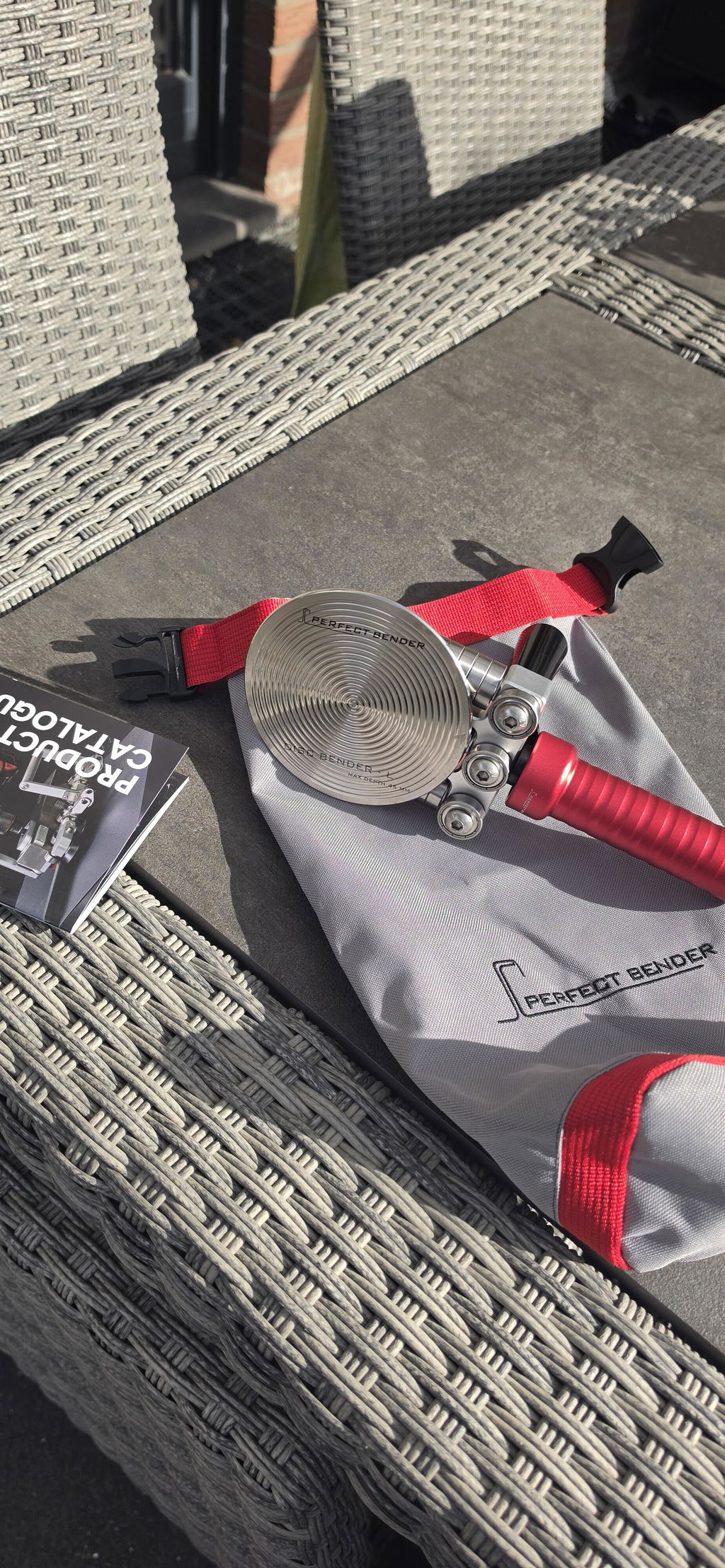
Anyone who wants to learn or work in the sheet metal trade needs high-quality sheet metal tools. The most important tools include:
- Sheet metal shears (right, left, straight)
- Double-lock standing seam closers
- Seaming pliers
- Notching and flanging tools
- Measuring tools, seam gauge, number punches
- Folding benches and profiling machines
Many of these tools serve sheet metal workers for decades and are often even passed down. Modern machines make the work much easier. More and more manufacturers specialize in high-quality sheet metal working tools, such as Dräco, Freund, Wuko, or Falzsid. Those looking for quality can also find it at online retailers like Roofify.shop, with first-class advice and fast delivery.
How do you become a sheet metal worker or plumber?
Training for the future
Training to become a sheet metal worker takes 3.5 years in Germany and combines theory with intensive hands-on practice. Areas of focus include:
- Sheet metal fabrication
- Job site organization
- Waterproofing techniques
- Geometry, materials science, and thermal engineering
- Installation and joining techniques
Many journeymen later deepen their knowledge through further training to become a sheet metal master craftsman – one of the most prestigious titles in the roofing industry.
Sheet Metal Master Craftsman – More Responsibility, More Knowledge
A sheet metal master craftsman is responsible for, among other things:
- Planning and project management
- Training the next generation
- Quality control
- Customer consultation
- Complex facade and roof structures
Sheet metal master craftsmen are indispensable in modern construction in particular, as they work at the highest level both craft-wise and in terms of organization and technology.
Video: 8vomDach I Master Couple + the Black Metal Roof I Episode 7
Why is the profession more important than ever?
Climate change, modern architecture, and rising demands make precise metalwork on roofs and facades indispensable. Sheet metal workers ensure that:
- rainwater is effectively drained away
- roofs remain weatherproof and safe
- metal structures are designed to be energy-efficient
- façades are durably and aesthetically protected
Many modern buildings would not function without the work of sheet metal workers.
Spengler, Klempner, or Flaschner - all are correct; what matters is being a professional
All three terms refer to the same profession. Whether Spengler, Klempner, or Flaschner, what matters is skill in the trade. The different names are part of regional identity and have developed over time.
It is important that the work is carried out by qualified professionals - people who know how to work with metal precisely, protect roofs, and design durable façades. The modern sheet metal worker combines tradition, precision, and modern technology - and is indispensable in the construction trades in 2026.
Frequently Asked Questions
What is the difference between Spengler, Klempner, and Flaschner?
There is essentially no difference in terms of the trade. The terms refer to the same profession but vary by region: “Spengler” is used in the south, “Klempner” in the north and east, and “Flaschner” in southwestern Germany.
What does a sheet metal worker do?
A sheet metal worker fabricates and installs metal components on roofs and façades, such as gutters, covers, chimney flashings, and custom metal solutions made from zinc, copper, aluminum, or stainless steel.
How long does training to become a sheet metal worker take?
Training to become a sheet metal worker in Germany takes 3.5 years and includes both theory and practical work on construction sites.
What tools does a sheet metal worker need?
Essential tools include sheet metal shears, seaming pliers, double-lock seamers, notching and beading tools, measuring tools, as well as bending brakes and profiling machines.
Where is the term Flaschner used?
“Flaschner” is used mainly in Baden-Württemberg, where it refers to a tradesperson who works with metal on roofs.
Is the sheet metal worker trade still in demand in 2026?
Yes, the trade is more in demand than ever. Modern construction projects, sustainable architecture, and climate change are increasing the need for qualified sheet metal workers.